2008
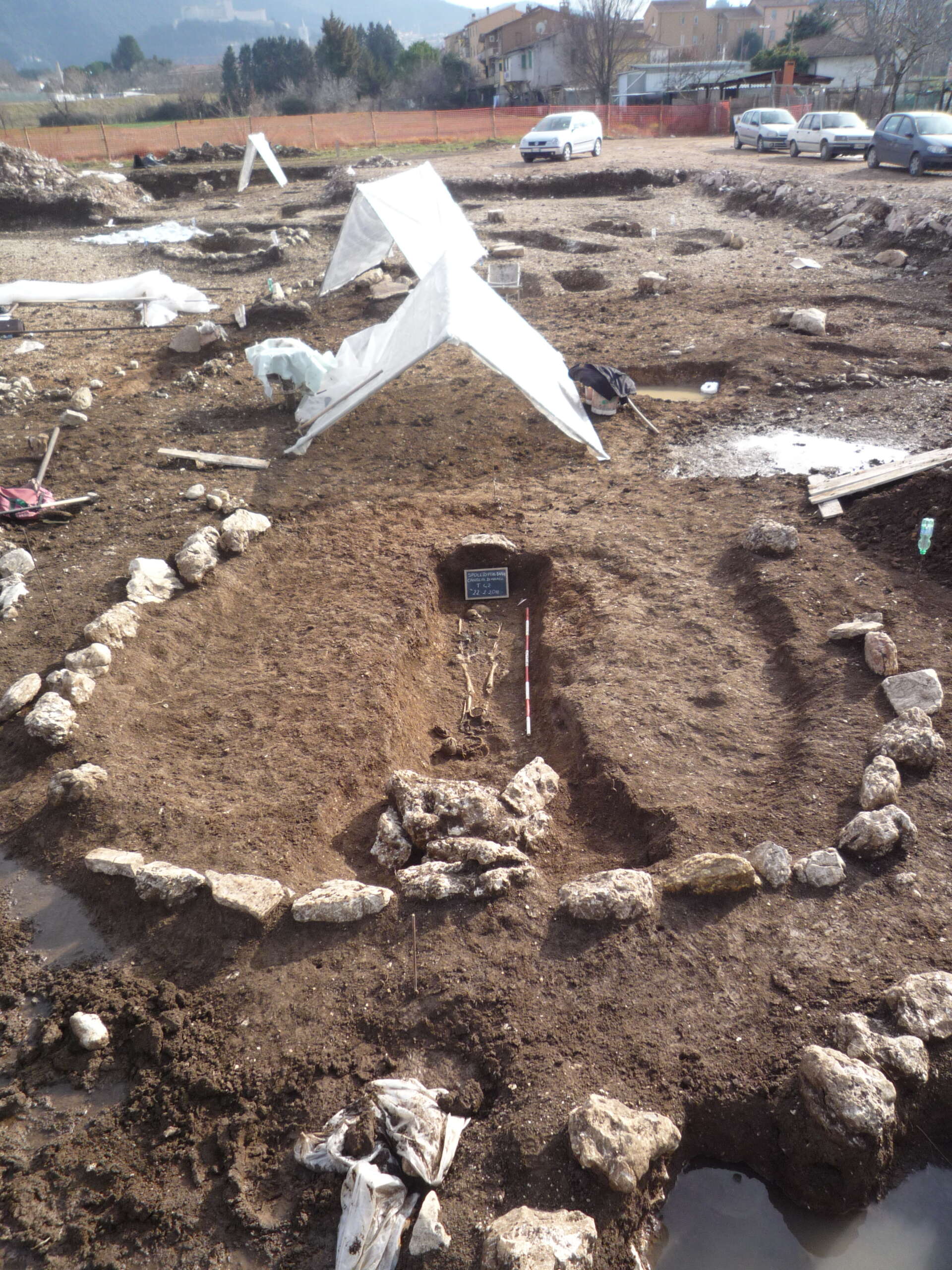
– L. Costamagna, Spoleto, località Piazza d’Armi. Aree ATER e strada, in Bollettino per i beni culturali dell’Umbria. Notiziario, anno 2, 3, 2008, pp. 117-120.
– L. Costamagna. Scavi e scoperte. Scavi (2004-2008), in Spoletium 45, 2008, pp. 132-141.
– L. Costamagna, M. Salvatore (ed.), Museo archeologico di Spoleto. La formazione della città, dalle origini al municipio (90 a.C.), Perugia 2008. (Includes burials from earlier excavations.)
2010
– D. Manconi, Due capisaldi della Valle Umbra: Spoleto e Spello, in P. Fontaine (ed.), L’Étrurie et l’Ombrie avant Rome. Cité et territoire : actes du colloque international: Louvain-la-Neuve, Halles Universitaires, Sénat académique, 13-14 février 2004, Bruxelles 2010, 195-210. (Tomb A/1982.)
2011
– L. Costamagna, Spoleto e Valnerina. Notizario. Spoleto, via Piazza d’Armi, in Spoletium 48, 2011, p. 129.
2013
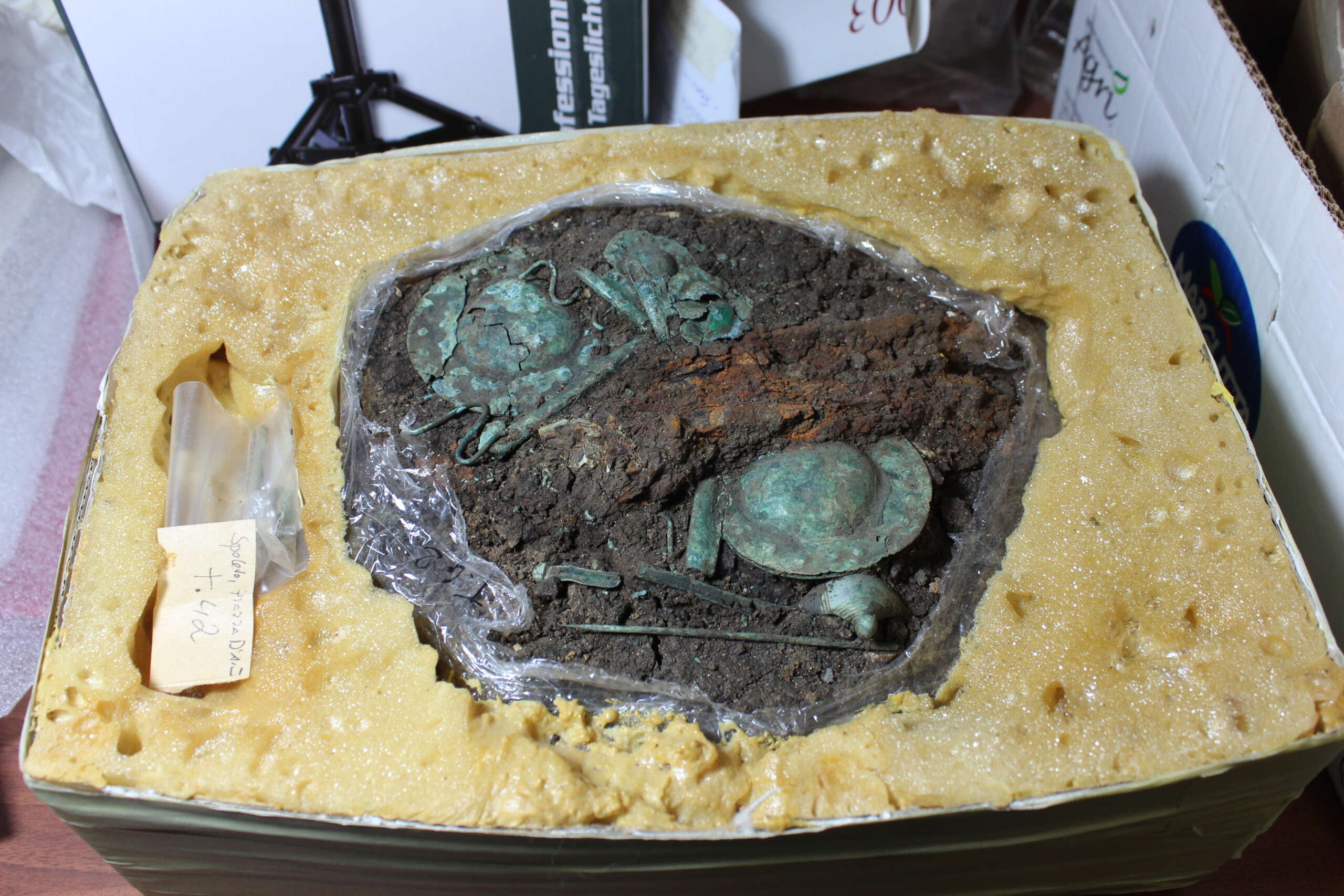
– A. Maggiani, Adriano, Crepitacula bronzei dall’Etruria, in G. Graziadio (ed.), PhilikeÌ„ Synaulia: Studies in Mediterranean archaeology for Mario Benzi. BAR international series 2460, Oxford 2013, pp. 345-358. (First definition of the ritual rattle from Tomb 15.)
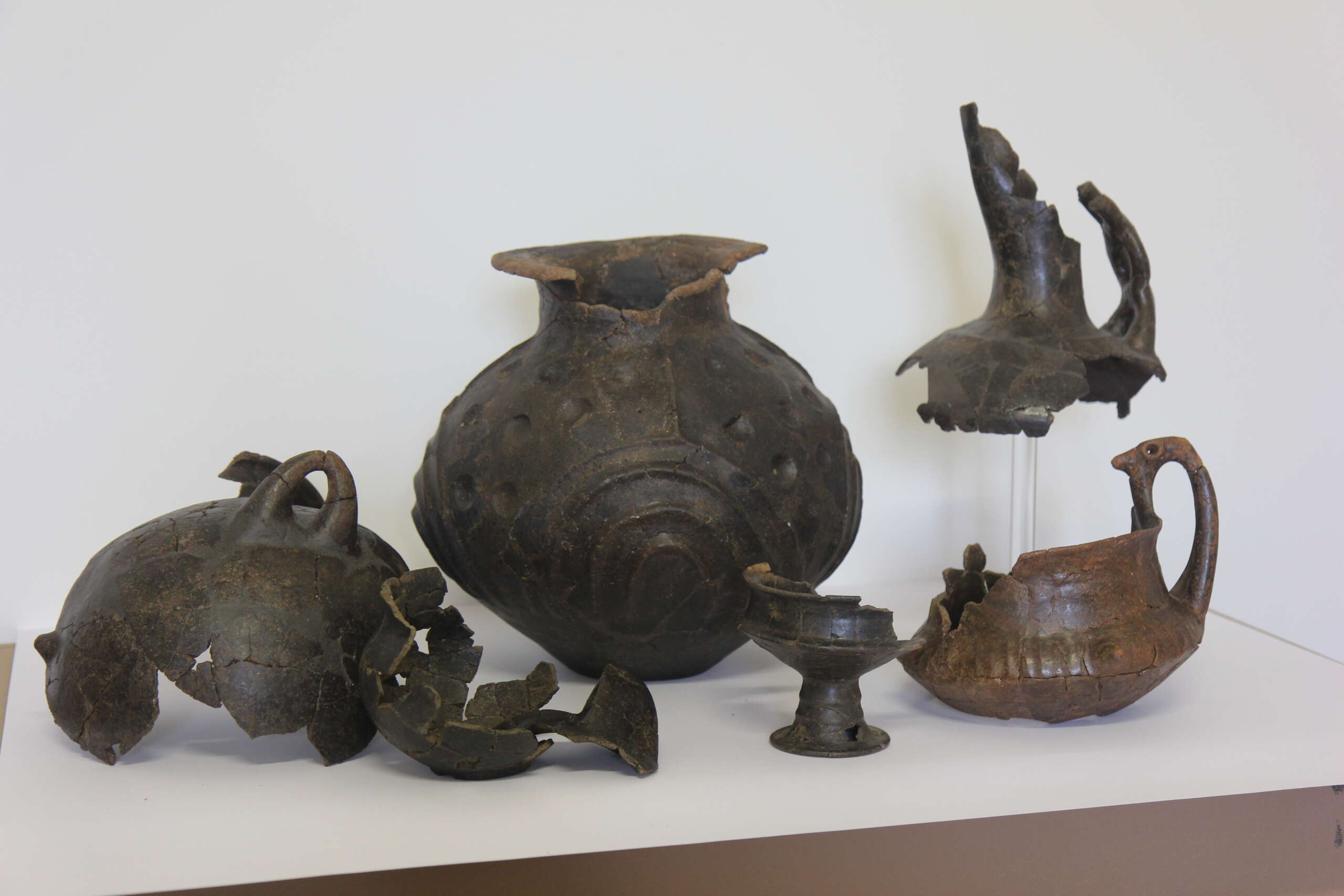
– J. Weidig, Mit ungewöhnlichen »Schuhen« auf dem Weg ins Jenseits, in Archäologie in Deutschland 5, 2013, pp. 58-59. (Popular article on the meaning of the boot-shaped askoi from Spoleto.)
2014
– N. Bruni, L. Costamagna, F. Giorgi, La necropoli umbra di Spoleto: nuovi rinvenimenti 2008-2009, in: Gli Umbri in età preromana. Atti del 27 convegno di Studi Etruschi ed Italici. Perugia, Gubbio, Urbino 27-31 ottobre 2009, Pisa-Roma 2014, pp. 297-317. (Partly superseded by later research.)
– J. Weidig, Spoleto. Le tombe a circolo della necropoli orientalizzante di Spoleto, Piazza d’Armi. In: S. Rafanelli (ed.), Circoli di pietra in Etruria. Ausstellungskatalog Vetulonia, Orvieto, Grotte di Castro 2014-2015, Monteriggioni 2014, pp. 192-197.
2014
– M. L. Manca, J. Weidig (ed.), Spoleto 2700 anni fa. Sepolture principesche dalla necropoli di Piazza d’Armi. Spoleto vor 2700 Jahren. Zepter und Königskinder aus der Nekropole von Piazza d’Armi, Spoleto 2014. (Short monograph presenting preliminary results prior to the PRIN project.)
2015
– J. Weidig, Studi sulla necropoli orientalizzante di Spoleto, Piazza d’Armi. Una visione preliminare, in F. Gilotta, G. Tagliamonte (ed.), Sui due versanti dell’Appennino. Necropoli e distretti culturali tra VII e VI sec.a.C. Atti del seminario Santa Maria Capua Vetere, 12 novembre 2013. Biblioteca di Studi Etruschi 55, Roma 2015, pp. 47-77. (First summary of the new researches)
– J. Weidig, I draghi appenninici. Appunti sulle raffigurazioni degli animali fantastici italici tra Abruzzo, Umbria e Marche, in M.C. Biella / E. Giovanelli (ed.), Nuovi studi sul bestiario fantastico di età orientalizzante nella penisola italiana. Quaderni di Aristonothos 5, Trento 2015, pp. 247-272. (analyzes the two-headed horse on scepters and pottery)
– J. Weidig, N. Bruni, Strutture tombali plurime a Spoleto. Elementi di differenze cronologiche, sociali e gruppi familiari nel VII sec. a.C. In: G. M. della Fina (ed.), La delimitazione dello spazio funerario in Italia dalla protostorica all’età arcaica. Recinti, circoli, tumuli. Atti del XXII Convegno Internazionale di studi sulla storia e l’archeologia dell’Etruria, Orvieto, 19-21 dicembre 2014. Annali Faina 22, 2015, pp. 535-571. (Broader summary of the research with preliminary anthropological analyses by Domenico Mancinelli)
2016
– J. Weidig, Il sonaglio della bambina-sacerdotessa, in L. Cenciaioli, M. Saioni (ed.), Giochi da museo. Giocattoli antichi e moderni. Catalogo della mostra Perugia, Perugia 2016, pp. 17-18.
– J. Weidig, N. Bruni, A. Riva, Le sacerdotesse di Spoleto e il banchetto per l’aldilà – Nuovi studi sugli Umbri, in Spoletium. Rivista di Arte Storia Cultura. 52-53, 2015-2016 (2017), pp. 161-167.
2017
– J. Weidig, Die Vererbung von Macht. Kleinkindergräber mit Waffen und Statussymbolen. In: J. Leskovar, R. Karl (ed.), Interpretierte Eisenzeiten. Fallstudien, Methoden, Theorie. Tagungsbeiträge der 7. Linzer Gespräche zur interpretativen Eisenzeitarchäologie. Studien zur Kulturgeschichte von Oberösterreich 47, Linz 2017, pp. 195-214. (with list of Italic infant tombs with weapons)
– J. Weidig, Italiker im Apennin. Die Nachbarn der Etrusker, in Antike Welt 4, 2017, pp. 19-25. (informative article presenting Spoleto in the Italian world)
– J. Weidig, N. Bruni, The inheritance of power: King’s sceptres and the infant princes of Spoleto Umbria, in Etruscan News 19, 2017, p. 1, pp. 6-7. (informative article)
2018
– J. Weidig, N. Bruni, Little heirs of an Umbrian royal family from the 7th century BC., in J. Tabolli (ed.), From invisible to visible. New Methods and Data for the Archaeology of Infant and Child Burials in Pre-Roman Italy and Beyond. Proceedings of the international conference Trinity College Dublin (24-25 April 2017). Studies in Mediterranean Archaeology (SIMA) 149, Nicosia 2018, pp. 113-121.
– J. Weidig, N. Bruni, Vestito come il padre. L’armamento come simbolo di eredità del potere nelle tombe infantili italiche, in Nuccia Negroni Catacchio (ed.), Armarsi per comunicare con gli uomini e con gli Dei. Le armi come strumenti di attacco e di difesa, status symbol e dono agli Dei. Preistoria e protostoria in Etruria. Tredicesimo Incontro di Studi, 9-11 Settembre 2016, Milano 2018, pp. 483-492.
– J. Weidig, N. Bruni, Il viaggio nell’aldilà: riti funebri nella necropoli di Spoleto, Piazza d’Armi, in: L. Cenciaioli (ed.), Etruschi ed Umbri. Genti di confine. Atti del Convegno Museo archeologico nazionale dell’Umbria Perugia, 1 settembre 2017, Perugia 2018, pp. 51-58.
2019
– J. Weidig, Ikonographie und Deutung der figürlichen Szenen auf den Zeptern von Spoleto (prov. Perugia), in H. Baitinger, M. Schoenfelder (ed), Hallstatt und Italien, Festschrift für Markus Egg. Monographien des RGZM 154, Mainz 2019, pp. 483-503. (detailed iconographic analyses of the scepters)
– J. Weidig, N. Bruni, F. Fazzini, Bronze Cast on Decorated Iron Sheets. An Unusual Manufacturing Technique in Iron Age Italy, in P. Baas (ed.), Proceedings of the XXth International Congress of Ancient Bronzes. Resource, reconstruction, representation, role. BAR International Series 2958, Oxford 2019, pp. 67-73. (experiential archaeology on scepters and damemine)
2020
– J. Weidig, Connessioni ideologiche tra le aristocrazie arcaiche dell’Italia appenninica e medio-adriatica, in G.M. Della Fina (ed.), Ascesa e crisi delle aristocrazie arcaiche in Etruria e nell’Italia preromana. Annali Faina 27, 2020, pp. 21-60. (broad overview and cultural location of Spoleto in the Italian world)
2021
– J. Weidig, Elementi cronologici e culturali per l’epoca orientalizzante nell’Appennino centrale, in St. Bourdin, O. Dally, A. Naso, C. Smith (eds.), The Orientalizing Cultures in the Mediterranean and in Italy, 8th-6th cent. BC. Origins, cultural contacts and local developments: The case of Italy. Mediterranea. Suppl. N.S. 1, Roma 2021, pp. 153-184. (new chronological proposals)
– J. Weidig, Lutto, rito funebre e status sociale. Considerazioni sulle sepolture infantili in Umbria e nelle aree limitrofe dalla prima età del Ferro all’epoca arcaica, in E. Govi (a cura di), BIRTH. Archeologia dell’infanzia nell’Italia preromana, Bologna 2021, pp. 569-599. (list of children’s graves)
2023
– J. Weidig, Grabritus, Tradition und Zerstörung: Überlegungen zum Umgang mit den eigenen und fremden Toten im eisenzeitlichen Apennin, in M. A. Guggisberg, M. Billo-Imbach (ed.), Burial Taphonomy and Post-Funeral Practices in Pre-Roman Italy: Problems and Perspectives. Papers of the International Workshop held at the University of Basel, January 12th, 2021, Heidelberg 2023, pp. 33–47. https://doi.org/10.11588/propylaeum.1211.c16915 (type of pit-deposit)
2024
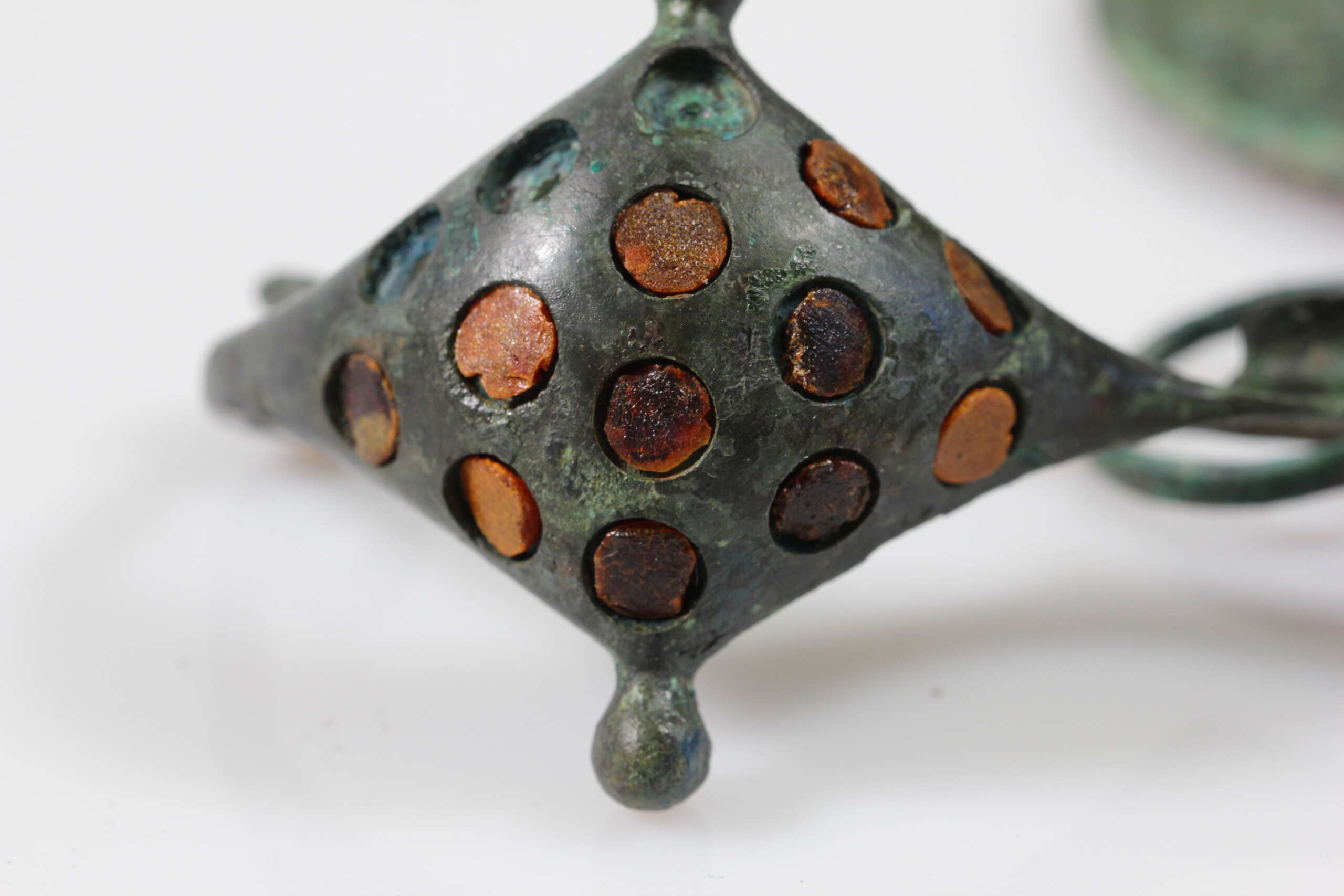
– J. Weidig, Priesterinnen der Sonne? Die eisenzeitlichen Schmuckscheiben in Mittelitalien und ihre Deutung, in M. Kohle u.a. (ed.), Mit Nadel und Faden: Schmuck, Tracht und Kleidung in der Eisenzeit. BUFM 108, Langenweißbach 2024, pp. 27-42. (the meaning of female ornament discs)
2025
– J. Weidig, Eroi dell’Appennino centrale nell’arte figurativa, in: A. Montanaro (ed.), Eroi oltre la morte. Aristocrazie guerriere tra Mediterraneo, Egeo e Oriente tra II e I millennio a.C. Mediterranea, Suppl. N.S. 7, Roma 2025, pp. 89-128. (iconography of despotes ton ippon and potnia theron)