Context and Objectives
The scientific mission carried out on 19–20 January 2026 at the Museo Archeologico Nazionale e Teatro Romano di Spoleto was conducted within the framework of the PRIN PNRR 2022 project “Powerful Women and Outstanding Children in Pre-Roman Umbria: Understanding Inclusive Societies with Foreign Peoples through an Integrative Approach of Molecular Anthropology, Archaeology and Virtual Design.”
The activity also formed an integral part of the research carried out by the Imaging for Humanities Laboratory at the Università di Urbino Carlo Bo, for which I serve as Principal Investigator.
Activities Carried Out
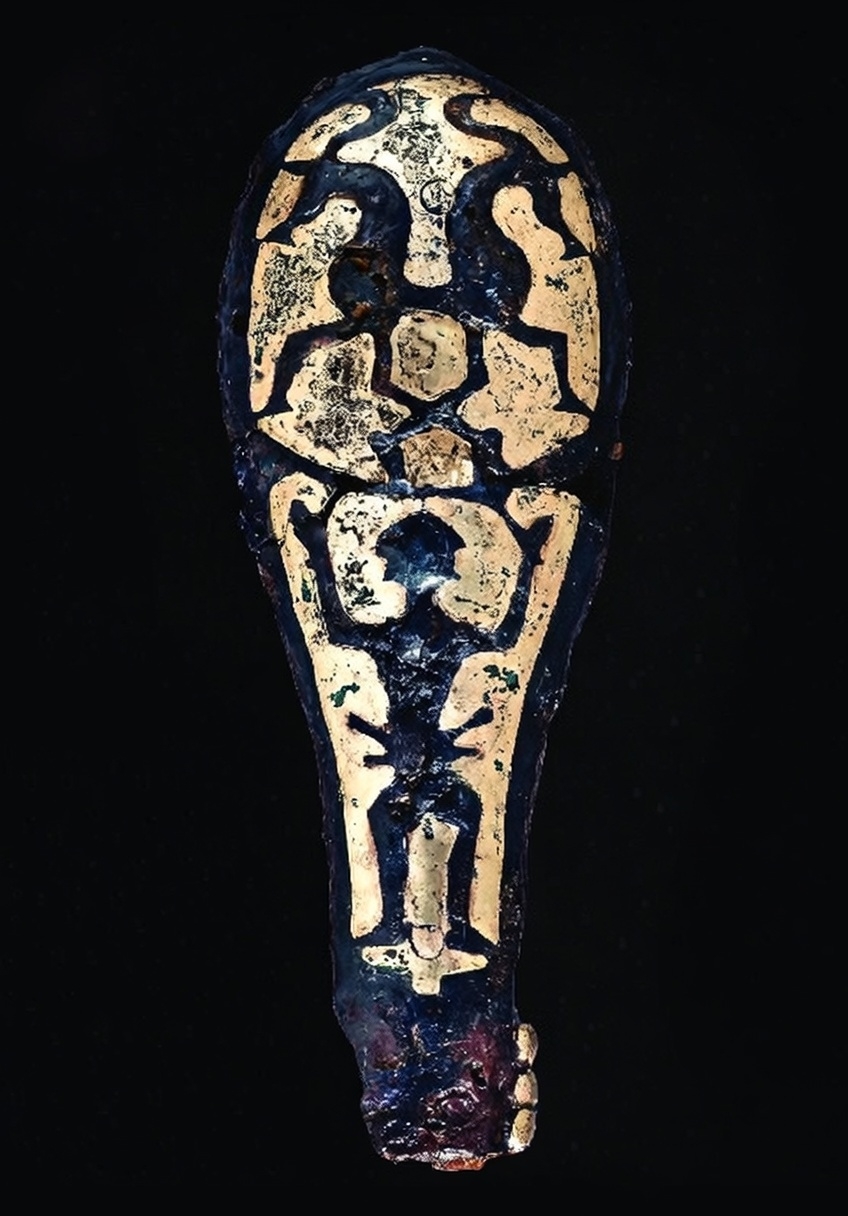
The activities involved the non-invasive digitization of approximately 35 archaeological artefacts from a pre-Roman burial located in the Piazza d’Armi necropolis in Spoleto, using photogrammetric techniques.
A controlled-light photographic setup was installed within the museum using specialized equipment from the Imaging for Humanities Laboratory, specifically transported for the mission. The acquisition protocol prioritized both the geometric-morphological accuracy of the artefacts and their colorimetric fidelity—essential aspects for proper scientific documentation and archival recording.
For each artefact, RAW-format images were captured using a semi-automated turntable with 22 positions, performing four complete rotations per object. The digitized objects varied in size, ranging from only a few centimeters to approximately 80 cm in diameter in the case of a large storage jar (olla).
Coordination and Quality Control
All acquisition phases were carried out in close collaboration with the PRIN project leaders and museum staff to ensure the correct digital capture of the artefacts, which are intended for the reconstruction of spaces and burial contexts within a Real-Time Rendering (RTR) environment.
A real-time quality control system was implemented through remote connection with the computing infrastructure of the Urbino laboratory, enabling the immediate processing of most datasets directly from Spoleto. This operational approach made it possible to verify acquisition effectiveness and intervene promptly when necessary, optimizing workflow efficiency while ensuring the expected quality standards.
The mission produced complete datasets for approximately 35 archaeological artefacts, documented according to validated scientific protocols. These materials will contribute to the research objectives of the PRIN PNRR 2022 project and to the ongoing research activities of the Imaging for Humanities Laboratory.