.


The project “Powerful Women and Outstanding Children in Pre-Roman Umbria: Understanding Inclusive Societies with Foreign Peoples through an Integrative Approach of Molecular Anthropology, Archaeology and Virtual Design”, funded within a PRIN Project: 2022 PNRR (Prot. P2022LATB9) and lasting 24 months, aims to understand inclusive societies interacting with foreign peoples through an integrative approach combining molecular anthropology, archaeology, and virtual design.
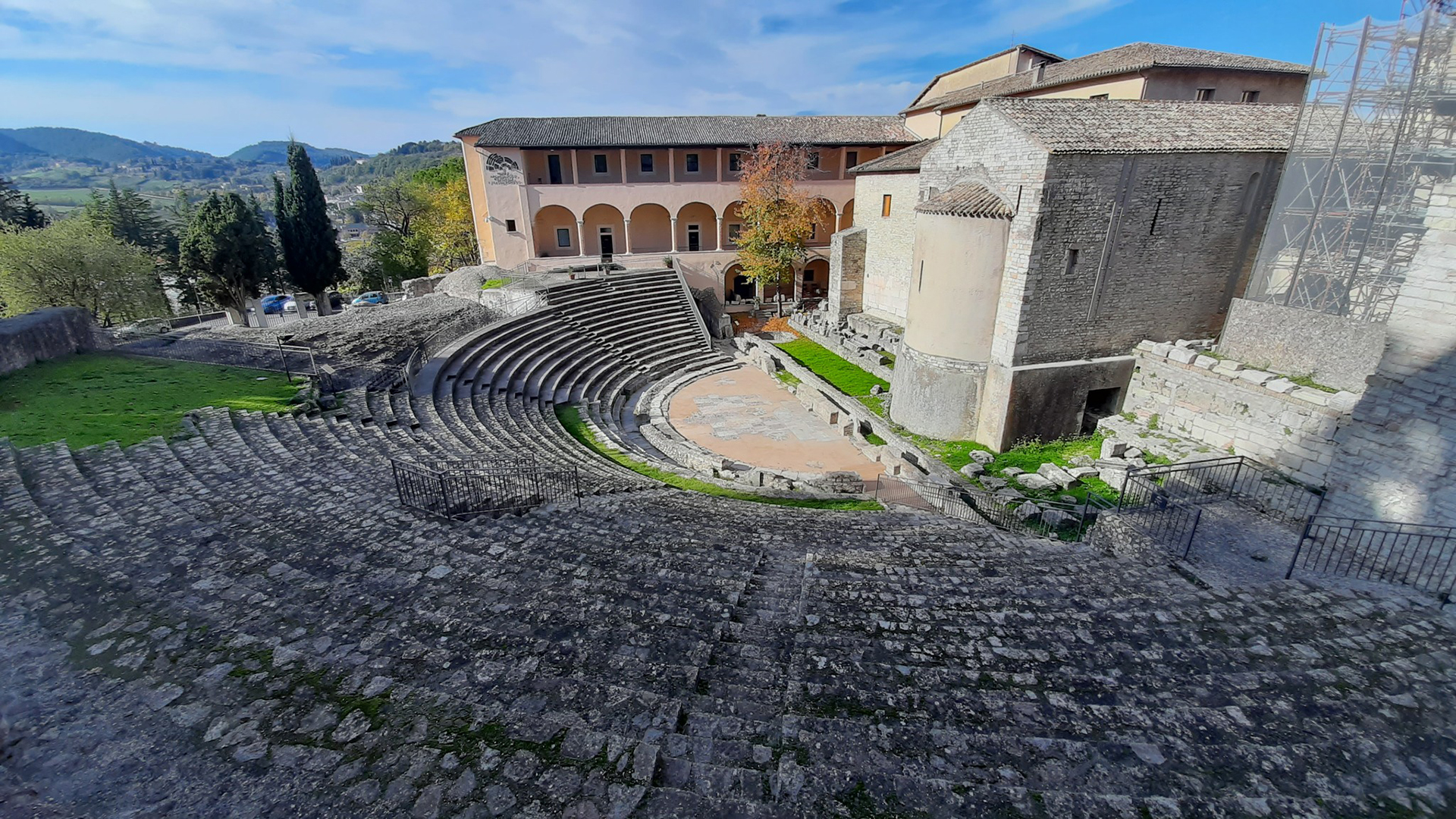
The project is structured into three research units — the Department of Biology of the University of Rome Tor Vergata, the Department of Humanities of the University of Urbino Carlo Bo, and the Department of Humanities Studies. Languages, Literature, Cultural Heritage of the University of Tuscia — and involves the collaboration of the National Archaeological Museum and Roman Theatre of Spoleto and the Albert-Ludwigs-Universität Freiburg.
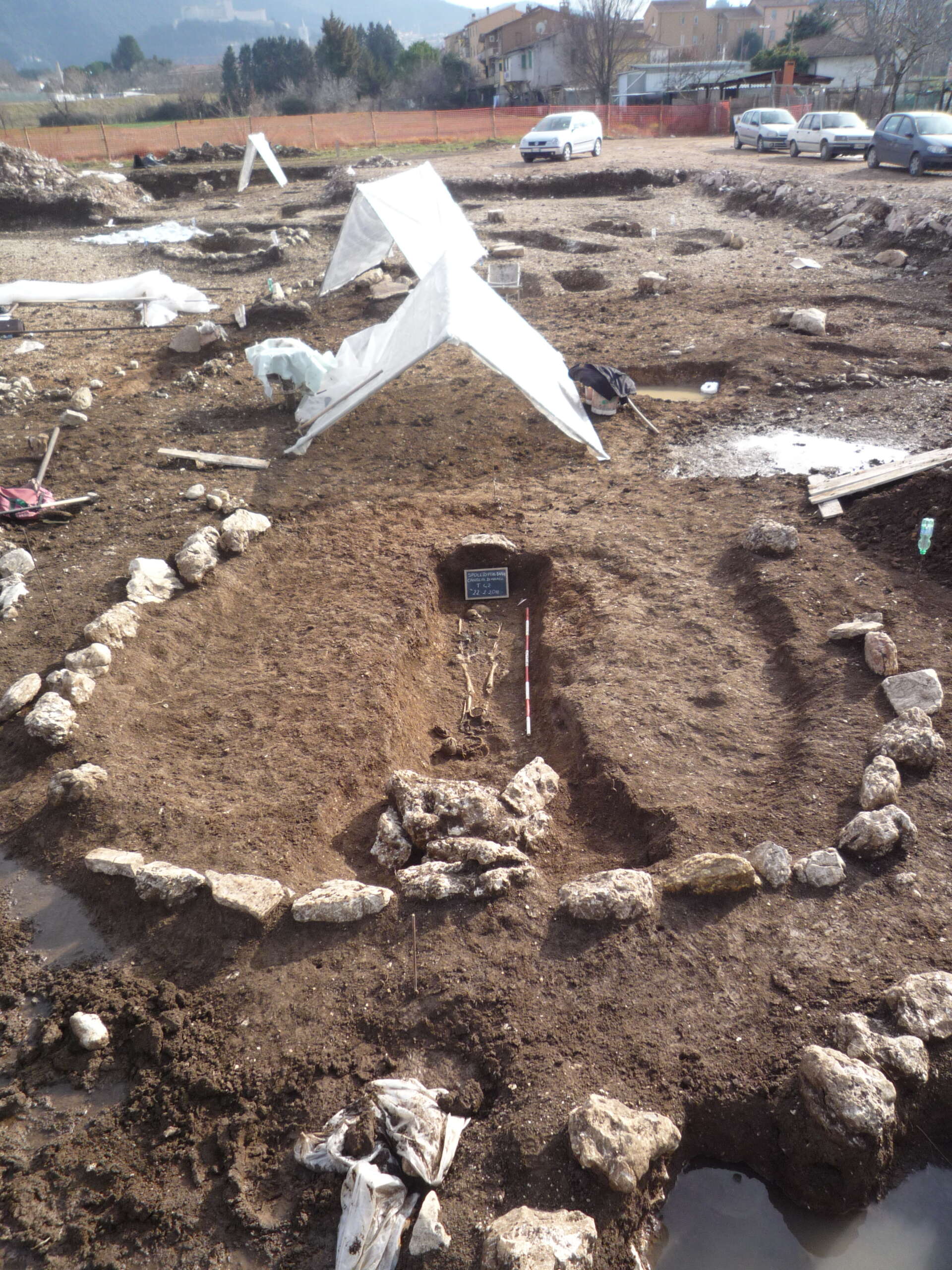
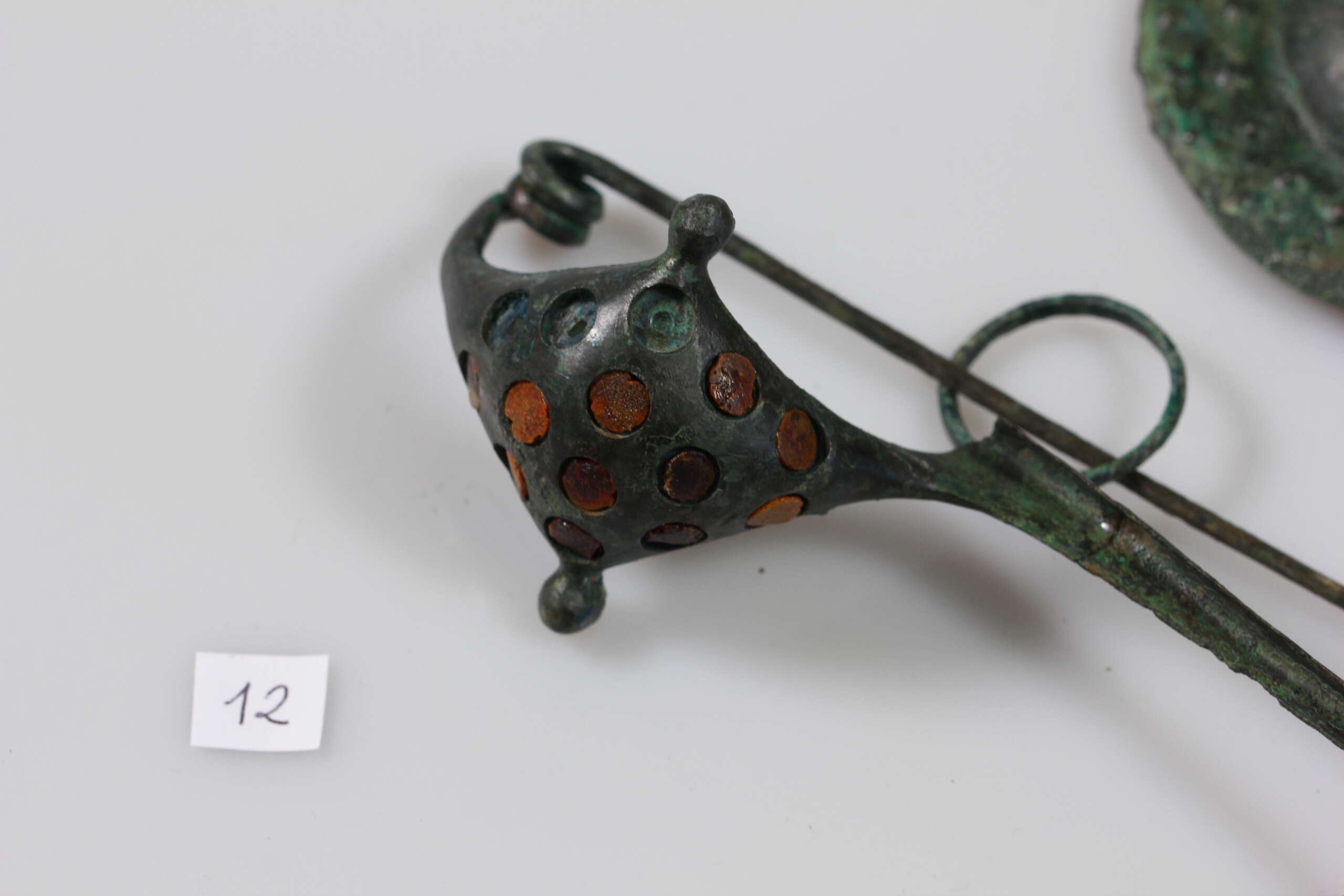
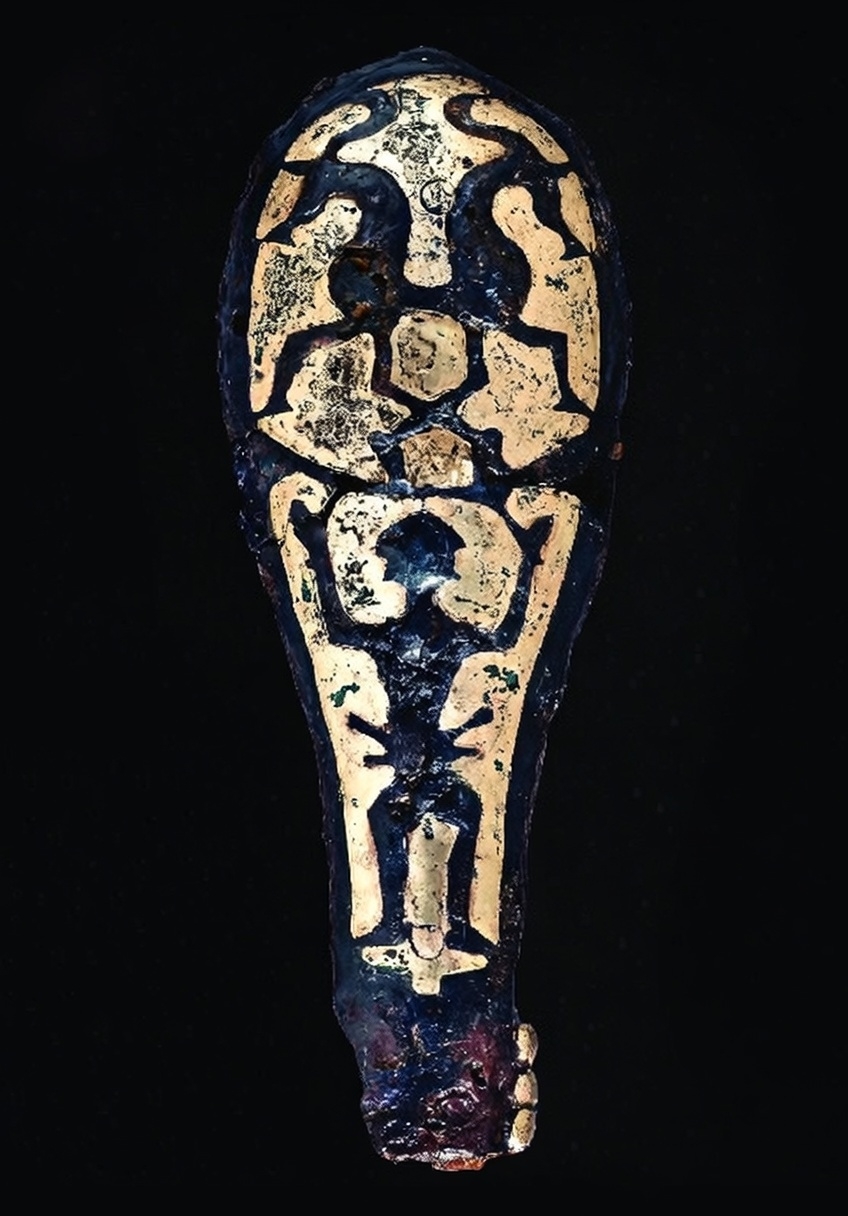
The pre-Roman necropolis of Piazza d’Armi in Spoleto, discovered between 2004 and 2011, yielded 54 tombs distributed across the Ater and Di Marco areas and some peripheral clusters, datable to the Orientalizing period (late 8th–early 6th century BCE). The variety of funerary structures and grave goods reflects chronological, cultural, and social differences, as evidenced by the two princely tombs with weapons and, above all, the unusual number of burials of newborns and young children accompanied by prestigious objects (miniature weapons, disc-shaped breastplates, stemmed daggers, female ornaments, and special vessels). In the Italic-Etruscan context, infant tombs—mostly of newborns—so richly furnished are exceptional and unparalleled.

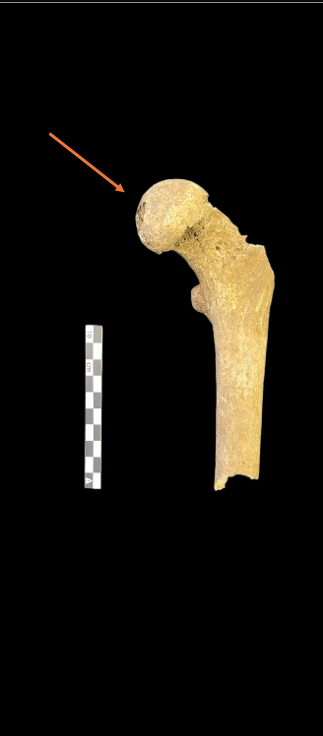
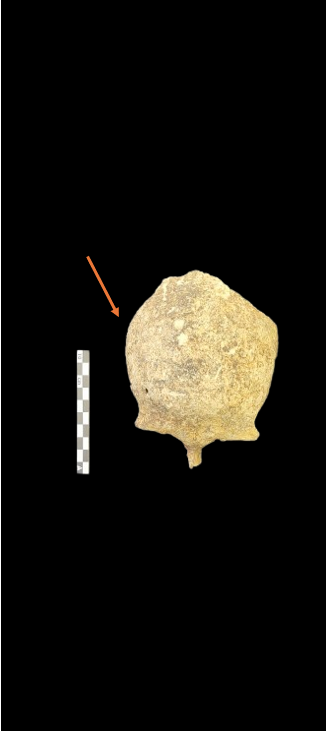
At the research unit of the University of Rome Tor Vergata, the Anthropology group analyzed the skeletal remains of 52 individuals from Piazza d’Armi.